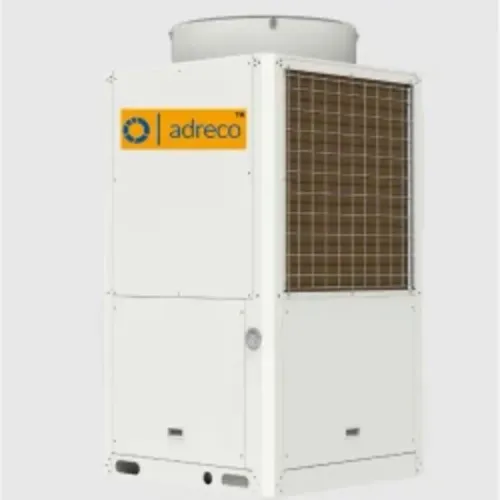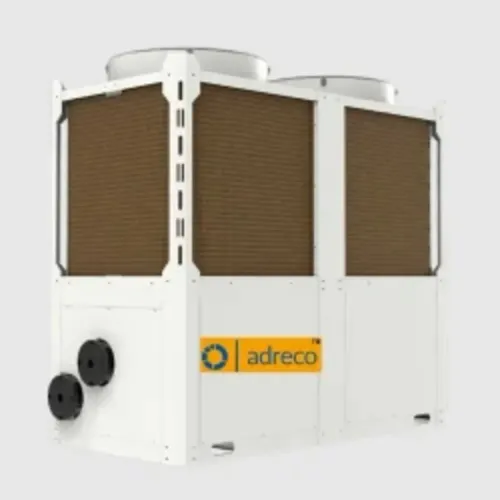
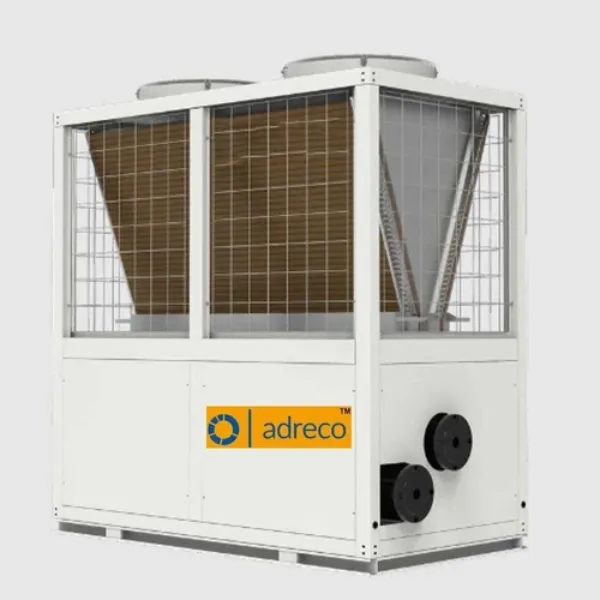
Solar energy and heat pump technology are both used to reduce dependence on conventional heating energy, but they work in different ways. A Solar Heat Pump strategy can bring these technologies together as part of an integrated hot-water or heating system.
For hotels, residential developments, institutions, commercial buildings, and industrial facilities in Chandigarh, the important question is how solar contribution and heat pump operation should be coordinated throughout the year.
Understand the Two Energy Sources
Solar thermal systems capture available solar radiation and transfer that energy into water or another working medium.
Heat pumps use electricity to move heat from an environmental source into the heating system.
Because solar availability changes with time of day, weather, season, collector orientation, and shading, it cannot be treated as a perfectly constant heating source. A heat pump can complement the system when available solar energy is insufficient to meet demand.
Storage Becomes Particularly Important
Solar availability and hot-water consumption rarely occur at exactly the same time.
A properly sized insulated storage system can retain thermal energy and make it available when demand occurs. The heat pump can then operate according to tank temperature and system controls.
This makes storage capacity, sensor positioning, piping configuration, and control logic important design decisions.
Evaluate the Complete Energy Balance
When comparing an integrated system, avoid evaluating individual components in isolation.
Project teams should examine:
- Daily hot-water consumption
- Required water temperature
- Solar resource and usable installation area
- Heat pump performance
- Storage losses
- Pumping energy
- Seasonal conditions
- Backup requirements
- Control strategy
The aim is to understand how much heating each component is expected to provide under different operating conditions.
Roof Space Needs Practical Assessment
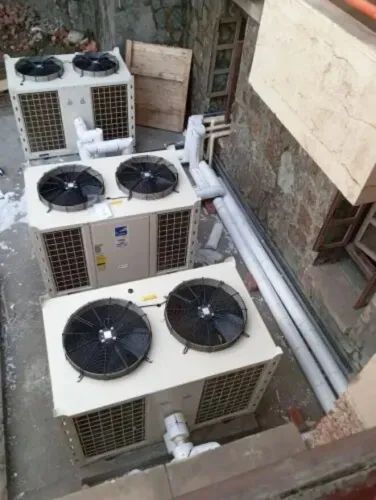
Solar installations require usable exposure, while heat pump equipment requires adequate airflow and service access.
In Chandigarh developments, architects and MEP teams should coordinate these requirements early. Roof space may also contain water tanks, ventilation equipment, cooling systems, electrical services, and other building infrastructure.
Early coordination reduces the likelihood of conflicts during installation.
Frequently Asked Questions
Does a solar heat pump system work when sunlight is limited?
An integrated system can be designed so the heat pump contributes when solar heating is insufficient.
Is a larger solar installation always better?
Not necessarily. Collector capacity should be matched with demand, storage, available area, and seasonal energy use.
Can this approach be used in hotels?
Yes, depending on hot-water load, building configuration, available solar area, and project economics.
Is storage mandatory?
System configurations vary, but thermal storage is commonly important where energy production and consumption occur at different times.
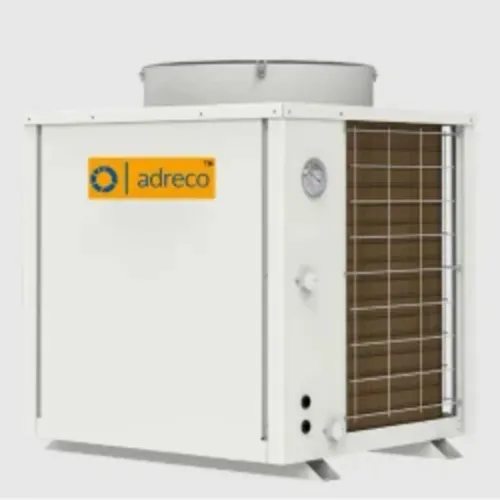
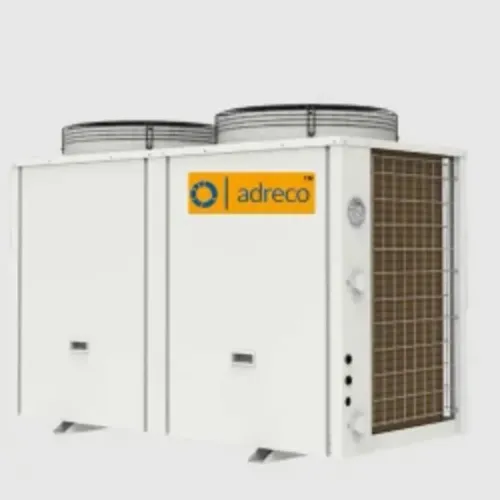
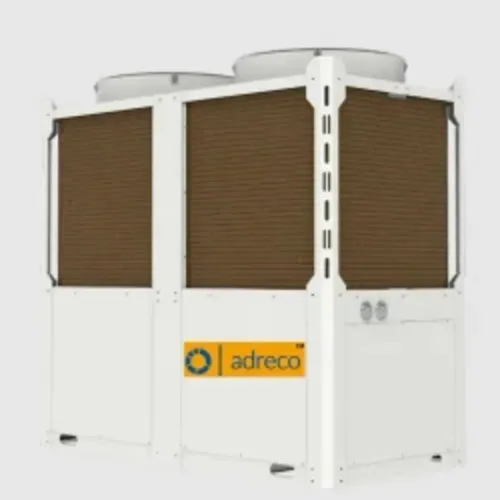
Adreco Engineering Pvt Ltd works with heat pump and HVAC equipment applications in Chandigarh, where integrated heating projects can benefit from load-based engineering rather than isolated equipment selection.
A Solar Heat Pump strategy is most effective when solar collection, heat-pump capacity, storage, controls, and actual consumption are designed as one coordinated system. That approach gives project teams a clearer picture of expected performance throughout changing daily and seasonal conditions.
Keywords