Central heating projects require more than selecting a heating machine. Distribution temperatures, building heat loss, terminal units, hydraulic design, controls, and seasonal conditions all influence whether the system will perform as intended. A Heat Pump Central Heating System should therefore be planned around the complete building.
For hotels, hospitals, residential developments, commercial properties, and institutional facilities in Chandigarh, several readiness indicators can help determine when detailed heat pump engineering is worthwhile.
Your Heating Load Is Clearly Defined
The strongest starting point is a reliable heating-load assessment.
Floor area alone is not enough. Building orientation, insulation, glazing, occupancy, ventilation, indoor temperature requirements, operating schedules, and Chandigarh winter conditions can all affect demand.
Projects with documented room-by-room or zone-based heat-loss calculations are better positioned for equipment sizing.
Your Distribution Temperatures Are Known
Heat pumps generally benefit from heating systems designed around suitable water temperatures.
Underfloor heating and appropriately sized fan coil systems can often operate with moderate water temperatures. Existing radiator systems require closer assessment because some may have originally been designed around higher-temperature water.
Before equipment selection, engineers should determine:
- Required supply temperature
- Return temperature
- Design flow
- Terminal-unit capacity
- Hydraulic pressure requirements
- Zoning arrangement
This establishes whether the existing distribution system is compatible or requires modification.
The Building Has Suitable Plant Space
Heat pump equipment needs appropriate installation conditions.
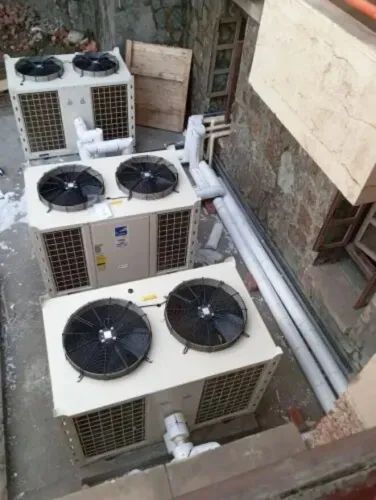
Air-source units require unobstructed airflow, suitable clearances, drainage, electrical connections, pipe routing, and maintenance access. Acoustic considerations can also matter in hotels, hospitals, residential developments, and other noise-sensitive properties.
Controls Can Manage Changing Loads
Central heating demand changes with outdoor temperature, occupancy, time of day, and building usage.
Good control design may include weather compensation, zone control, buffer storage, pump control, equipment sequencing, and building-management-system integration.
Without suitable controls, even efficient equipment may operate inefficiently.
You Have Reviewed Existing Heating Infrastructure
Retrofit projects need a detailed survey.
Existing boilers, pumps, pipes, radiators, fan coils, valves, electrical capacity, and control systems should be reviewed before deciding how the heat pump will integrate.
Some projects may retain existing heating equipment for backup or peak-load operation.
Questions to Ask a Potential Manufacturer
Before moving ahead, ask for performance data at the required winter conditions, recommended water flow, operating temperature range, electrical requirements, control options, installation clearances, and maintenance requirements.
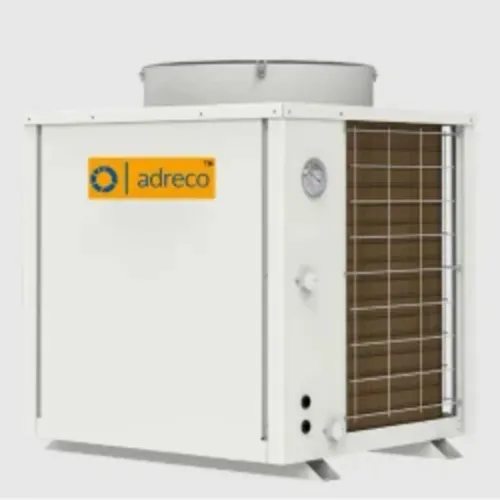
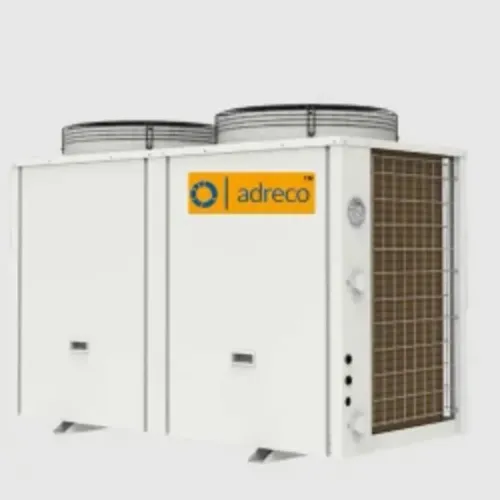
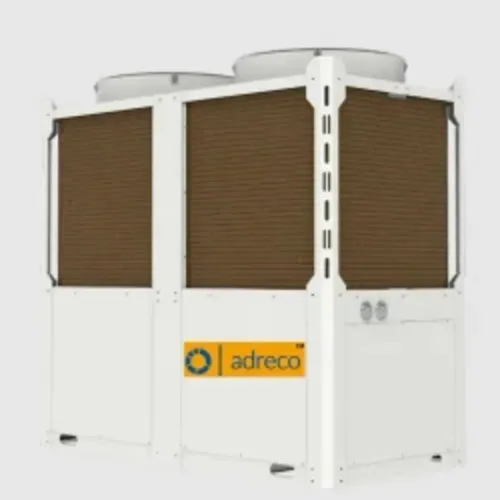
Adreco Engineering Pvt Ltd manufactures heat pump and HVAC equipment and serves projects from Chandigarh. For a Heat Pump Central Heating System, providing detailed building and load information allows the proposed equipment to be evaluated against actual project conditions.
A facility is ready for meaningful heat pump selection when its heating load, distribution temperature, available infrastructure, operating schedule, and installation conditions are understood. These readiness checks can prevent the project from becoming a simple equipment replacement exercise when what is actually required is a coordinated heating-system design.
Keywords