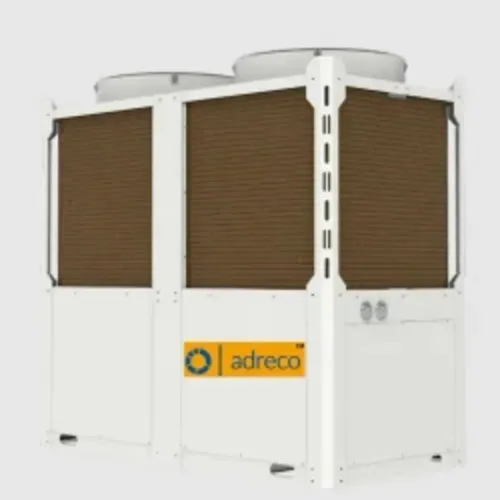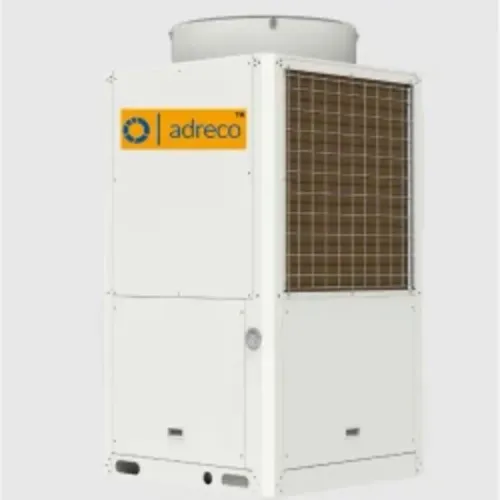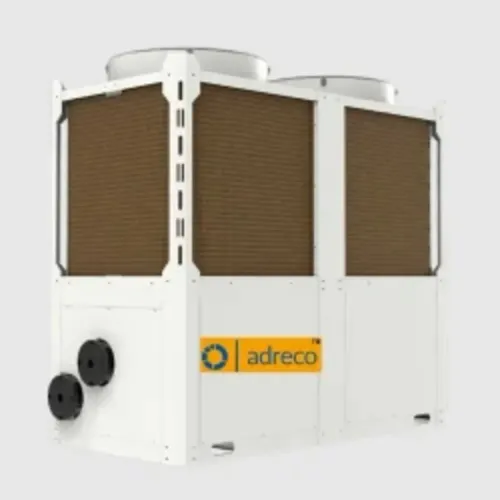
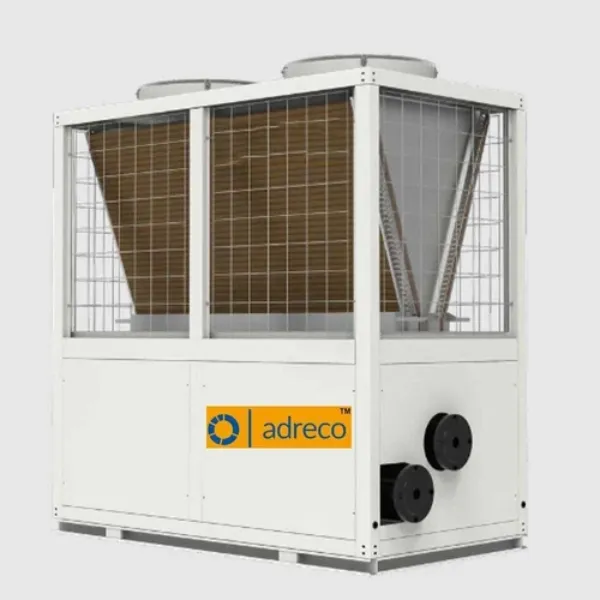
Combining renewable energy technologies can help commercial and industrial facilities reduce dependence on conventional energy sources. A Solar Heat Pump arrangement brings solar energy and heat pump technology together, but its value depends heavily on system design, operating schedules and the type of solar integration being considered.
Before procurement, buyers should establish exactly what they expect the combined system to achieve.
Define the Heating Load
Start with measurable demand.
Determine whether the system will provide:
- Space heating
- Domestic hot water
- Process water
- Pool heating
- Preheating
- Multiple heating duties
Daily and seasonal consumption should be estimated because these figures influence both heat pump capacity and solar-system design.
Clarify the Solar Configuration
The term solar heat pump can describe different system arrangements.
A facility may use electricity generated by solar PV to offset heat pump electricity consumption. Other configurations can involve thermal integration depending on system design.
Buyers should therefore avoid selecting equipment based solely on terminology.
The proposed energy flow should be clearly documented so that expected benefits can be evaluated realistically.
Check Available Installation Space
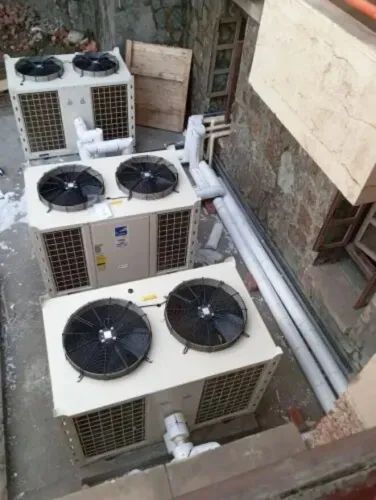
Solar equipment requires suitable roof or ground area, while an air-source heat pump requires adequate airflow.
Industrial sites also need to consider structural capacity, maintenance access, shading, piping routes and electrical infrastructure.
A site survey can identify practical constraints before procurement.
Review Load Timing
Solar generation and heating demand do not always occur at the same time.
A facility with substantial daytime heating requirements may have a different utilisation profile from one requiring most of its heat overnight.
Thermal storage can sometimes help shift useful heat production between periods, depending on the application.
Compare Annual Performance
A purchasing decision should not rely on a single day's energy output.
Procurement teams should assess:
- Expected annual heating requirement
- Estimated heat pump electricity consumption
- Expected solar contribution
- Seasonal performance
- Maintenance requirements
- Equipment lifespan assumptions
- Existing energy costs
This produces a more useful picture of long-term operating economics.
Evaluate Controls and Integration
The control system determines how multiple energy components work together.
Poor coordination can reduce the benefits of otherwise efficient equipment.
Sensors, pumps, storage temperatures and operating priorities should be configured according to the facility's actual load pattern.
Select a Provider Based on Engineering Capability
For industrial and commercial projects in Chandigarh, equipment supply is only one part of a successful installation.
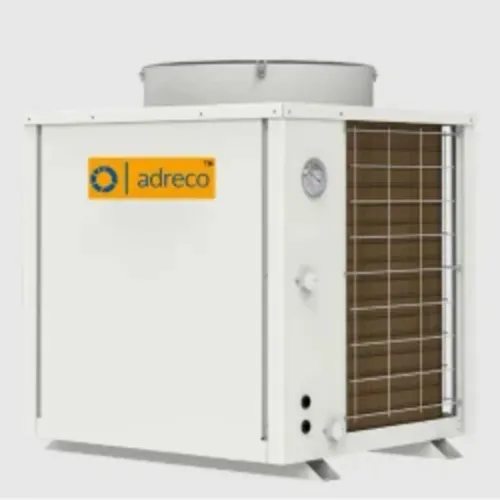
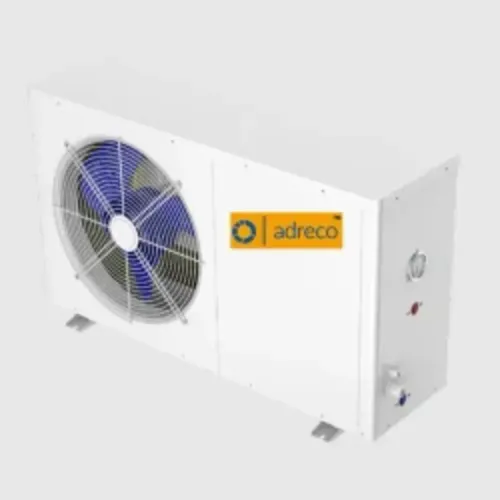
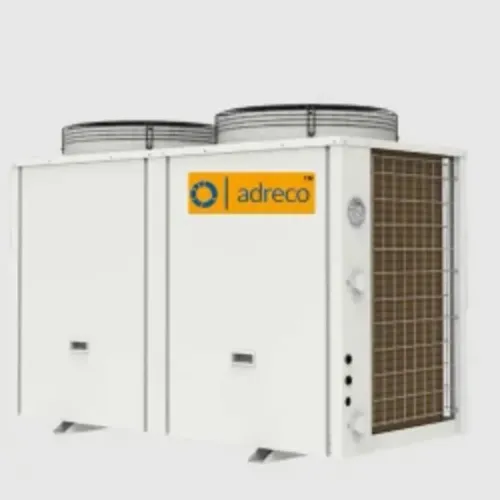
Adreco Engineering Pvt Ltd works with engineered solutions where application assessment and integration form part of system planning.
Before investing in a Solar Heat Pump solution, businesses should ask for clear load calculations, expected operating parameters and an explanation of how the solar and heat pump components interact. A technically justified configuration is more valuable than simply combining two energy-efficient technologies without considering how they will operate together.
Keywords